
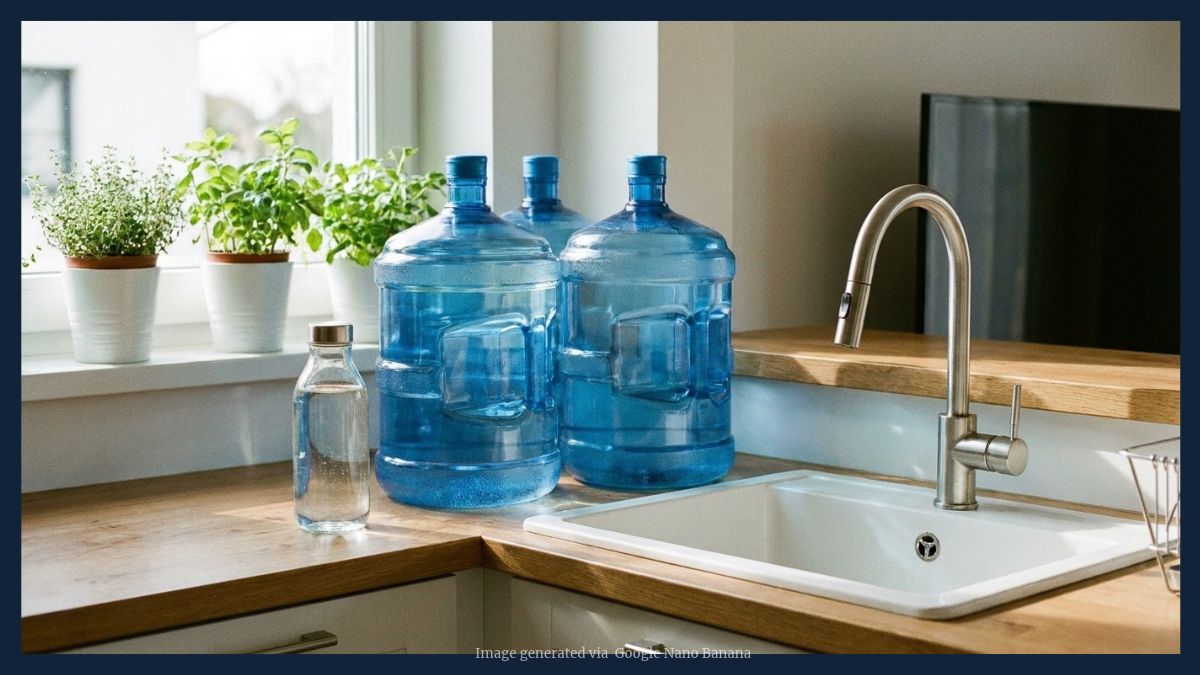
If your home’s water supply is interrupted, check your water provider’s official updates, determine whether the problem affects your whole property, and conserve any water you have stored. Prioritize drinking, food preparation, essential hygiene, and sanitation.
- Identify the cause first: The problem may be a neighborhood outage, a building-wide issue, or a fault in your own plumbing.
- Treat water availability and water safety as separate issues: Water returning to your taps does not always mean it is safe to drink.
- Prioritize essential uses: Drinking, food preparation, personal hygiene, and sanitation should come before laundry, gardening, and other nonessential tasks.
- Keep emergency water available: Store water in clean, food-grade containers or use unopened commercial bottled water.
- Use alternative water sources carefully: Water from a toilet tank, rain barrel, swimming pool, or outdoor source is not automatically safe to drink.
- Restore service carefully: Follow official instructions about flushing pipes, cleaning storage tanks, and checking appliances.
Why a home’s water supply may be interrupted
Understanding the cause helps you decide what to do next.
1. Scheduled maintenance or utility repairs
Water providers sometimes interrupt service to repair pipes, replace equipment, clean storage facilities, or carry out planned maintenance.
If the interruption is scheduled, the provider may announce the affected areas and an estimated restoration time. However, repairs can take longer than expected.
What to do: Check the provider’s official website, service alerts, or verified communication channels. Save the notice and any instructions about storing water or using it after service returns.
2. A broken water main or damaged supply pipe
A water main break can reduce water pressure or stop service in multiple homes. You might notice an outage without seeing any damage on your own property.
A damaged private supply pipe can cause similar symptoms, but the problem may affect only your home.
What to do: Contact your water provider if the outage appears to affect your neighborhood. If nearby homes have water but yours does not, check your home’s plumbing or contact a licensed plumber.
3. A power outage
Some homes depend on electric pumps to draw water from a well, move water into a storage tank, or maintain pressure. A power outage can therefore interrupt water availability even when the source itself has water.
What to do: Check whether your water system depends on electricity. Do not connect a generator to a pump or home electrical system without appropriate equipment and qualified installation.
4. A private well or pump problem
Homes supplied by private wells may lose water because of a failed pump, pressure tank problem, electrical fault, low water level, or damaged equipment.
What to do: Check for a power interruption or a tripped breaker only if it is safe to do so. Avoid repeatedly resetting a breaker or running a pump that may be damaged. Contact a qualified well or pump technician if the cause is not obvious.
After flooding or suspected contamination, have the well assessed and follow local health guidance before using the water for drinking.
5. A plumbing problem inside the home
A failed pressure regulator, closed valve, damaged pipe, or other plumbing fault can cause water loss in part or all of a house.
What to do: Check whether the problem affects every faucet or only one area. Look for visible leaks or unusual water sounds. If you suspect a burst pipe or major leak, shut off the main water valve if you can safely identify and reach it, then contact a plumber.
Do not open pressurized equipment or dismantle plumbing components without the necessary knowledge.
What to do immediately when the water stops
Step 1: Check whether the outage affects your home alone
Test more than one faucet, including a fixture in another part of the house. If practical, ask a nearby neighbor whether they also have no water.
- Only one faucet is affected: The issue may be a clogged aerator, fixture valve, or local plumbing fault.
- Several fixtures are affected: The problem may involve your home’s main supply or internal plumbing.
- Nearby homes are also affected: A utility outage or wider supply problem is more likely.
- Only hot water is affected: The issue may involve the water heater or hot-water plumbing rather than the incoming supply.
These checks can help narrow down the cause, but they do not confirm it.
Step 2: Contact your water provider or building manager
Check official service updates for the affected area, the reason for the interruption, and the estimated restoration time.
If you live in an apartment, condominium, or managed property, contact the building manager as well. The problem may involve a shared storage tank, booster pump, or building plumbing system.
If there is no published notice, report the outage. Do not assume that the provider already knows about it.
Step 3: Check for leaks or plumbing damage
Look for water around exposed pipes, under sinks, near the water meter, or around plumbing equipment. If you hear water running when every fixture is off, a leak may be present.
If a pipe has burst or water is entering the building, shut off the main supply valve if it is safe to do so. Keep away from electrical equipment or outlets exposed to water.
If the water interruption follows flooding, a major pipe break, or another event that could affect water quality, check for official drinking-water instructions before using any remaining tap water.
Step 4: Protect the water you already have
If you have water stored in clean containers, keep it covered and use clean utensils when dispensing it. Avoid repeatedly opening containers or dipping unwashed cups and hands into the supply.
Separate drinking water from water intended for cleaning or flushing toilets. Label containers if there is any possibility of confusion.
Do not assume that water stored in an open bucket, rain barrel, or other unprotected container is safe for drinking.
How to conserve water during an outage
When the duration of an interruption is uncertain, use the available water for essential needs first.
| Priority | Examples | Practical approach |
|---|---|---|
| Drinking | Drinking water and essential hydration | Set aside safe drinking water before using supplies for other tasks |
| Food preparation | Cooking, washing food, preparing drinks | Use safe water and simplify meals that require less water |
| Essential hygiene | Handwashing and brushing teeth | Use safe water where needed and minimize waste |
| Sanitation | Toilet use and essential cleaning | Follow local health guidance and conserve flush water where appropriate |
| Nonessential tasks | Laundry, car washing, garden watering | Postpone until normal service returns |
Additional ways to stretch your supply include:
- Use disposable plates and utensils temporarily if washing dishes would consume too much safe water, while considering waste and availability.
- Keep a small container of water nearby for controlled use instead of repeatedly filling a sink.
- Use alcohol-based hand sanitizer containing at least 60% alcohol when hands are not visibly dirty and safe running water is unavailable. Follow public health guidance for situations where soap and water are necessary.
- Avoid bathing or cleaning tasks that can safely wait.
- Check whether local authorities have opened a water distribution point or emergency supply location.
Do not ration drinking water to the point of dehydration, especially during hot weather, strenuous activity, illness, or pregnancy. Children, older adults, and people with certain medical needs may require particular attention.
Where to get water when the supply is interrupted
Use stored or commercially bottled water first
Unopened commercial bottled water is a reliable emergency option when stored correctly. Water previously collected in clean, food-grade containers can also be useful if it was prepared and stored safely.
For emergency planning in the United States, the CDC recommends storing at least 1 gallon of water per person per day for at least three days, with more if possible. This is a baseline for drinking and basic needs, not a guarantee that it will cover every household’s requirements. Hot climates, illness, pregnancy, pets, and additional hygiene needs may increase demand.
Consider other household sources carefully
If stored water runs low, some household sources may provide limited water for particular uses. However, their suitability depends on where the water came from and whether it may have been contaminated.
- Water from a home’s drinking-water heater tank: The CDC identifies this as a possible emergency source, but only if it is the household’s tap-water heater tank and the water is not suspected of chemical contamination. Do not confuse it with a boiler or tank used in a home heating system.
- Ice made from previously safe water: It may be used after melting if the original water was safe and the ice was protected from contamination.
- Liquid from canned fruit or vegetables: This may provide a small amount of liquid, but it is not a substitute for a reliable supply of drinking water.
- Water in a toilet tank: The CDC lists clear water in an untreated toilet tank as a possible emergency source. Do not use water from the toilet bowl, or from a tank containing chemical cleaners or cleaning tablets. When possible, use bottled or verified safe water instead.
- Swimming pools and spas: These may provide water for limited cleaning or personal-hygiene purposes, but not for drinking. Pool chemicals and contamination make them unsuitable as a drinking-water source.
Never drink water from a radiator, a home heating-system boiler, or a source that may contain fuel or toxic chemicals.
Can you drink rainwater or water from a stream?
Do not assume that rainwater, stream water, pond water, or other untreated outdoor water is safe to drink. These sources may contain disease-causing organisms or chemical contaminants.
If an appropriate source is necessary, follow official instructions for making water safe. Boiling can kill many disease-causing organisms, but it does not remove fuel, heavy metals, salts, or many other chemicals. Water suspected of chemical contamination should not be made drinkable simply by boiling it.
What if the water is flowing but may be unsafe?
A water interruption and a water-quality advisory are different problems. If the water provider or health authority issues an advisory, follow the exact instructions.
Boil-water advisory
This usually means tap water may contain germs that can cause illness.
Follow the instructions from local authorities. CDC guidance generally advises bringing clear water to a rolling boil for one minute, or three minutes at elevations above 6,500 feet, then allowing it to cool. Use bottled water if instructed or if boiling is not possible.
Use safe water for drinking, food preparation, brushing teeth, and other activities specified in the advisory. A household filter or pitcher filter does not automatically make water safe during a boil-water advisory.
Do-not-drink advisory
This may indicate possible chemical contamination or another hazard that boiling cannot correct. Use bottled water as instructed by officials. Do not assume that boiling will make the water safe.
Do-not-use advisory
This means you should not use the tap water for any purpose specified by the notice, which may include bathing or other contact. Follow the authority’s instructions and use an approved alternative supply.
Important: Boiling is not a universal solution for contaminated water. Follow the advisory rather than relying on the water’s appearance, smell, or taste.
What to do when water service returns
Water returning to your faucets does not always mean that normal use should resume immediately. Repairs, pressure changes, or contamination incidents may require additional steps.
1. Check the provider’s restoration notice
Confirm whether service has been fully restored and whether the provider has issued instructions about flushing pipes, cleaning storage tanks, or avoiding certain uses.
If a boil-water or other safety advisory was in effect, wait until officials lift it and follow any additional instructions.
2. Flush the plumbing if instructed
Depending on the incident, your provider may tell you to run particular faucets or flush the service line. The required procedure and duration can vary.
Follow the provider’s specific instructions rather than assuming that running every faucet for a few minutes is sufficient.
3. Watch for discoloration or unusual odors
Temporary changes in color or pressure can occur after some repairs, but persistent discoloration, unusual odors, or particles should not be ignored.
If the water remains abnormal, stop using it for drinking and food preparation until you receive appropriate guidance. Contact the water provider and ask whether testing or further flushing is needed.
Clear-looking water is not proof that it is free of harmful contaminants.
4. Check appliances and stored-water systems
If your home has a water storage tank, booster pump, filter, water softener, or other treatment equipment, follow the manufacturer’s and provider’s instructions for restarting it.
Do not run pumps dry or restart equipment that appears damaged. If a private well may have been contaminated by flooding, consult the relevant health authority or qualified well professional before drinking the water.
5. Clean and refill emergency containers
Wash and sanitize reusable water containers according to public health guidance before refilling them. Replace stored water according to the storage instructions. The CDC advises replacing self-filled stored water every six months.
Keep emergency supplies in a clean, cool place away from direct sunlight and chemicals.
How to prepare for the next water outage
You cannot prevent every interruption, but preparation can make the situation much easier to manage.
- Store emergency water: Keep a supply based on the number of people in your household and the likely duration of an interruption.
- Use suitable containers: Choose clean, food-grade containers intended for water storage, and keep them tightly closed.
- Keep supplies separate: Store drinking water separately from water intended for cleaning or flushing.
- Keep official contact details handy: Know your water provider, building manager, and local emergency information channels.
- Plan for sanitation: Consider how you will manage toilets, hand hygiene, and basic cleaning if service is unavailable for several days.
- Consider power-dependent equipment: If your home relies on a well pump or booster pump, understand how an outage affects it and ask a qualified professional about safe backup options.
- Plan for household needs: Account for infants, older adults, pets, medication-related needs, and hot-weather conditions.
- Review and rotate supplies: Check stored water periodically and replace it according to the manufacturer’s or public health authority’s guidance.
For a more detailed calculation, use your household size and the expected length of the interruption to estimate your emergency water needs.
When should you call a plumber or water professional?
Contact your water provider or a qualified professional if:
- Your home has no water while nearby properties have normal service.
- You suspect a burst pipe, significant leak, or damaged water service line.
- Water pressure remains unusually low after the provider confirms that service has returned.
- A well pump repeatedly trips a breaker, makes unusual noises, or fails to supply water.
- Water remains discolored or has an unusual odor after an outage.
- You suspect that floodwater, sewage, fuel, or chemicals have contaminated your supply.
- Your storage tank, pump, or treatment equipment appears damaged.
Call your water provider first when the problem may be in the public supply. A plumber is more appropriate for internal plumbing problems, while private-well issues may require a qualified well or pump specialist.
If contamination is suspected, contact the relevant public health authority as well. Do not rely solely on a plumbing repair to establish that drinking water is safe.
Frequently asked questions
There is no universal safe duration. A short interruption may be manageable with stored water, but a longer outage can affect drinking, food preparation, hygiene, and sanitation. The impact depends on household size, stored supplies, weather, and access to alternative water.
If the interruption may last more than a few hours, check official updates and arrange additional safe water rather than waiting until your stored supply is nearly gone.
Not automatically. If the outage is caused by scheduled utility maintenance, you may not need to shut off the valve. If you suspect a burst pipe or major leak, shutting off the main valve can help limit damage.
Follow your water provider’s instructions if there is a contamination incident or pressure-related concern.
Not always. Some interruptions do not affect water quality, but a broken main, pressure loss, flooding, or contamination incident may require precautions. Check the provider’s instructions and any active drinking-water advisory before drinking the water.
Bottled water can be used for drinking, cooking, brushing teeth, and other activities when safe water is required. It may be impractical for every household use, so reserve it for essential needs and use other water sources only for purposes for which they are known to be suitable.
For a U.S.-based emergency plan, the CDC recommends at least one gallon per person per day for at least three days, and more if possible. Increase your supply when household needs, hot weather, or other circumstances require it. This baseline does not necessarily cover all hygiene and sanitation needs.
You may be able to flush a toilet using water stored for that purpose, depending on the toilet design and local conditions. Avoid using water that may be contaminated in a way that could expose people to harmful substances. If sewage is backing up or the sewer system is affected, stop and seek local guidance.
Do not assume the water is safe just because the cloudiness clears. Check the water provider’s instructions, and contact them if discoloration persists or the water has an unusual smell. Follow any applicable safety advisory before drinking or cooking with the water.
Sources and references:
- Centers for Disease Control and Prevention (CDC). How to create and store an emergency water supply. Guidance on emergency water quantities, storage, and household preparedness.
- CDC. How to find clean water in an emergency. Explains possible alternative household water sources and important safety limitations.
- CDC. Drinking water advisories: An overview. Explains the differences between boil-water, do-not-drink, and do-not-use advisories.
- CDC. How to make water safe in an emergency. Provides guidance on boiling, treating, and using safe water during emergencies.
- U.S. Environmental Protection Agency (EPA). Emergency disinfection of drinking water. Explains emergency water treatment and why boiling cannot remove many chemical contaminants.
- EPA. Water decontamination FAQs for customers. Covers official water advisories and instructions that may apply after a contamination incident.
