
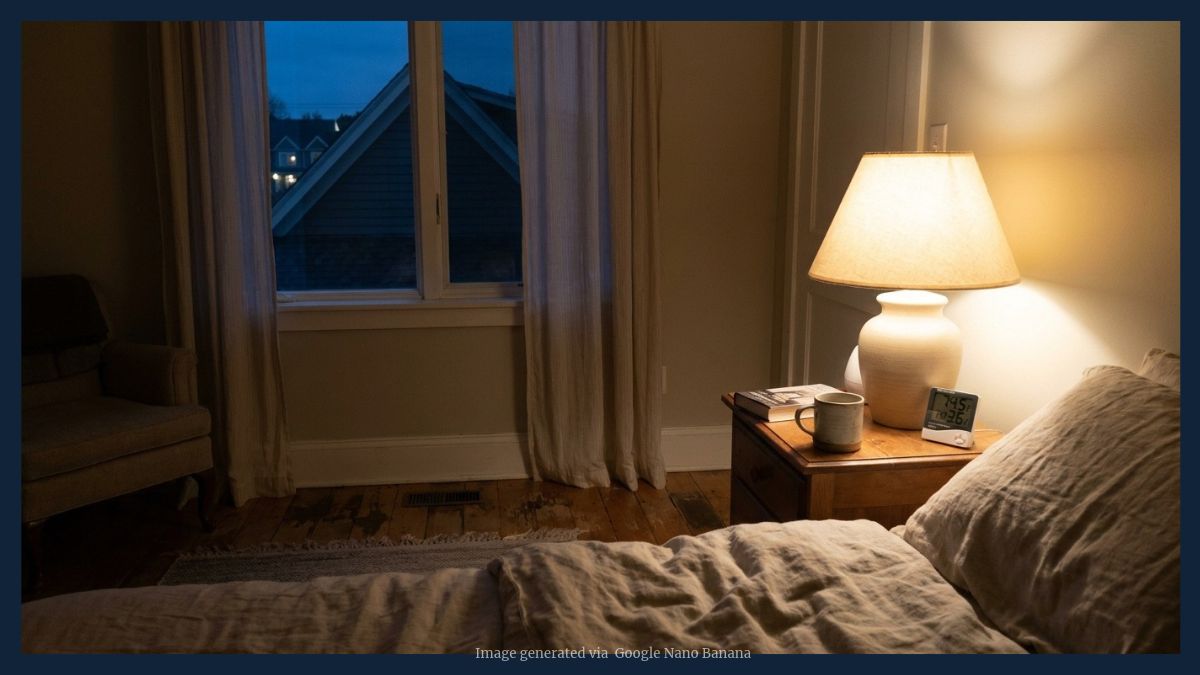
A house can stay hot at night because building materials release stored daytime heat, the roof and attic transfer heat indoors, windows allow solar heat gain, or the home lacks effective cooling and ventilation. Hot, humid outdoor conditions can also prevent natural cooling.
- Stored heat is a common cause: Walls, floors, ceilings, and furnishings may continue releasing heat after sunset.
- The roof and attic matter: Heat entering through a poorly insulated ceiling can keep upper rooms uncomfortable well into the evening.
- Cooler outdoor air can help, but not always: Opening windows is useful only when outdoor conditions are favorable.
- Air conditioning performance matters: Weak airflow, dirty filters, refrigerant problems, or incorrect system sizing can prevent effective cooling.
- High humidity affects comfort: Moist air can make a room feel more uncomfortable even when the temperature is not exceptionally high.
- The right fix depends on the pattern: A house that stays hot everywhere needs a different investigation from one with a single hot bedroom.
Why your house stays hot after sunset
1. Your house is releasing heat absorbed during the day
Building materials absorb heat when exposed to sunlight and warm air. Concrete, brick, tile, drywall, and other materials can store some of that energy and release it gradually as conditions change.
This is known as thermal mass. It helps moderate indoor temperatures in some climates, but it can also keep a house warm after sunset when the stored heat cannot escape efficiently.
For example, a room may feel hottest in the evening even though the sun is no longer shining directly on it. The walls, ceiling, floor, and furniture may still be releasing heat accumulated earlier.
What to check:
- Does the indoor temperature rise or remain high after sunset?
- Do the walls or ceiling feel warm compared with other parts of the house?
- Does the problem become worse after several consecutive hot days?
- Does the house cool down only during the early morning?
What helps: Reduce heat entering the home during the day, shade sun-exposed windows, and improve nighttime heat removal when outdoor conditions allow it.
Nighttime ventilation is most effective in climates where temperatures fall significantly after sunset. It may do little in places where nights remain hot and humid.
2. Your roof and attic are transferring heat indoors
Your roof receives direct solar radiation throughout the day. An attic can become much hotter than the outdoor air, and heat may pass through an inadequately insulated ceiling into the rooms below.
The result is often a home that remains uncomfortable during the evening, especially in upstairs bedrooms.
Signs that the attic may be contributing include:
- Upstairs rooms are hotter than downstairs rooms.
- Bedrooms directly beneath the roof stay warm late into the night.
- The ceiling feels warm after a sunny afternoon.
- The upper floor cools down much more slowly than the rest of the house.
What helps: Have attic insulation and air sealing evaluated together. Roof shading, suitable ventilation, and insulation improvements may help reduce unwanted heat gain, but the correct approach depends on the roof assembly, climate, and existing ventilation system.
Do not assume that adding more attic vents alone will solve the problem. Ventilation, insulation, and air sealing need to work as a system.
3. Sunlight heats your rooms through the windows
Windows can admit substantial solar heat during the day. This is especially noticeable when large windows face the afternoon sun or lack exterior shading.
Even after the sunlight disappears, the heat absorbed by furniture, floors, and walls may continue to affect indoor temperatures.
What to check:
- Which rooms receive direct afternoon sunlight?
- Are those rooms warmer than shaded rooms at night?
- Do you have large unshaded windows or skylights?
- Are curtains or blinds left open during the hottest part of the day?
What helps:
- Close blinds or curtains before direct sunlight enters.
- Consider exterior awnings, shutters, or appropriate solar-shading screens.
- Use trees or other landscaping for shade where practical, while considering roof and foundation clearance.
- If replacing windows, compare solar heat gain characteristics as well as insulation performance.
Exterior shading can be particularly useful because it blocks sunlight before it passes through the glass.
4. Your home is poorly insulated or has air leaks
Insulation slows heat transfer, while air sealing reduces uncontrolled movement of air through gaps and openings. When either is inadequate, unwanted heat can enter the home more easily.
Potential problem areas include attic hatches, ceiling penetrations, window frames, exterior doors, recessed lights, and gaps around plumbing or wiring.
However, not every air leak makes a home hotter. The effect depends on whether the incoming air is warmer or cooler than the indoor air and how the home’s ventilation and cooling systems operate.
What to check:
- Are there visible gaps around doors or windows?
- Are some rooms much harder to cool than others?
- Does the home have noticeably uneven temperatures?
- Is the attic insulation missing, compressed, damaged, or uneven?
What helps: Seal appropriate gaps and evaluate insulation levels. A professional energy assessment can help identify hidden air leaks and determine which improvements are likely to make the biggest difference.
Avoid sealing or covering required combustion-air openings, exhaust vents, or other safety-related openings.
5. Outdoor temperatures remain high at night
Sometimes your house is not the main problem. The outdoor air may simply remain too warm to cool the building effectively.
This can happen during heat waves, in densely built urban areas, or in climates with small temperature differences between day and night. Buildings, paved surfaces, and roads can also release stored heat after sunset.
If the outdoor temperature remains close to or above the indoor temperature, opening windows may not cool your home and could bring in more heat.
What to check:
- Compare the outdoor temperature with the indoor temperature.
- Check whether the house cools during the coolest hours before sunrise.
- Notice whether the problem occurs only during heat waves or throughout the warm season.
What helps: Keep sunlight out during the day, reduce unnecessary indoor heat sources, and use air conditioning or another suitable cooling method when outdoor conditions do not permit effective natural cooling.
6. Your air conditioner is not cooling effectively
If you have air conditioning but your house remains hot at night, the system may not be removing enough heat from the indoor air.
Possible causes include a dirty filter, restricted airflow, a dirty evaporator coil, a refrigerant problem, a malfunctioning component, duct leakage, or a system that is not appropriately sized for the home.
An air conditioner can also struggle if heat enters the building faster than the system can remove it.
What to check:
- Is the air coming from the vents noticeably weaker than usual?
- Does the system run for long periods without reaching the set temperature?
- Are some rooms cool while others remain hot?
- Is the filter dirty or overdue for replacement?
- Is there ice on the indoor unit or refrigerant lines?
What helps: Check and replace the filter according to the manufacturer’s instructions, make sure supply and return vents are not blocked, and keep the thermostat settings consistent while observing system performance.
If cooling remains weak, the unit freezes, or the system behaves unusually, arrange an HVAC inspection. Do not attempt to handle refrigerant or open electrical compartments yourself.
7. Your home has high indoor humidity
Humidity affects how comfortable you feel in a warm room. When the air contains more moisture, sweat evaporates less efficiently from your skin, which can make it harder to feel cool.
High humidity does not necessarily mean the air temperature is higher, so a thermometer alone may not explain why the room feels uncomfortable.
Common contributors include humid outdoor air entering the home, moisture from cooking and bathing, inadequate air conditioning, and moisture problems in basements or crawl spaces.
What to check:
- Does the air feel sticky or clammy?
- Do windows develop condensation?
- Are there musty odors or signs of dampness?
- Does the air conditioner run but leave the home feeling humid?
What helps: Use kitchen and bathroom exhaust fans that vent outdoors, address moisture sources, and ensure the cooling system is operating properly. A dehumidifier may help in some circumstances, but it also releases heat into the room, so placement and the overall cooling strategy matter.
Avoid bringing in humid outdoor air solely to ventilate the house when it will worsen indoor comfort.
8. Appliances and daily activities add heat indoors
Your home can also gain heat from activities that take place in the evening.
Ovens, stovetops, clothes dryers, hot showers, and some electronic equipment release heat. These sources may be especially noticeable in a small home or a room with limited ventilation.
What helps:
- Cook during cooler hours when practical.
- Use kitchen exhaust ventilation when cooking.
- Run heat-producing appliances at times that suit your cooling strategy.
- Turn off unnecessary equipment and lighting.
- Keep dryer exhaust properly vented outdoors.
These steps will not fix a major insulation or HVAC problem, but they can reduce avoidable heat gains.
How to identify the cause
Use the pattern of overheating to narrow down the likely explanation before spending money on repairs.
| What you notice | Possible cause | What to investigate |
|---|---|---|
| The entire house stays hot | Stored heat, hot outdoor air, inadequate cooling, or poor insulation | Compare indoor and outdoor temperatures and review cooling performance |
| Upstairs is much hotter | Attic heat gain, ceiling insulation issues, or poor air distribution | Inspect attic insulation and HVAC airflow |
| One bedroom stays hot | Afternoon sun, blocked airflow, or duct problems | Check window exposure, vents, and room-specific cooling |
| The house cools only before sunrise | Stored heat and limited nighttime cooling | Compare overnight temperatures and assess shading and ventilation |
| The air feels sticky | High humidity or inadequate moisture removal | Measure humidity and inspect AC performance and moisture sources |
| The AC runs constantly but the house stays warm | Restricted airflow, equipment problems, excessive heat gain, or undersizing | Check the filter and vents, then arrange professional diagnosis if needed |
| The home gets hotter after opening windows | Outdoor air may be hotter or more humid | Compare indoor and outdoor conditions before ventilating |
These clues help narrow the possibilities but do not confirm a cause on their own.
What to do if your house stays hot at night
Step 1: Measure indoor and outdoor temperatures
Use a basic indoor thermometer and compare readings with outdoor conditions. If possible, record temperatures in the late afternoon, after sunset, and early in the morning.
Check more than one room, particularly if upstairs bedrooms are uncomfortable.
A simple record can reveal whether the house is cooling slowly, gaining heat in certain rooms, or remaining warm because outdoor conditions never become favorable.
Step 2: Block daytime heat
Close curtains or blinds before direct sunlight reaches the windows. Pay special attention to afternoon-facing windows, skylights, and rooms that repeatedly overheat.
If the problem is persistent, consider exterior shading or a longer-term improvement such as suitable solar-control glazing.
Step 3: Reduce heat from the attic and roof
If the upper floor is consistently hottest, investigate attic insulation, air leaks, and the roof assembly.
A qualified home energy professional can assess insulation and air sealing and identify whether ventilation changes are appropriate. Do not enter an unsafe or extremely hot attic to investigate the problem yourself.
Step 4: Ventilate only when conditions are favorable
If outdoor air is cooler than indoor air, opening windows on opposite sides of the house may help create cross-ventilation. Fans can help move air through the home when used appropriately.
Before opening windows, consider outdoor humidity, air pollution, smoke, pollen, insects, security, and local weather conditions. If the outdoor air is hotter than the indoor air, keeping windows closed may be more effective.
Nighttime ventilation works best when nights are sufficiently cool. It is less useful in hot, humid climates where outdoor temperatures remain high.
Step 5: Check your air conditioner
If you rely on air conditioning, confirm that the filter is clean, the vents are unobstructed, and the thermostat is set appropriately.
Avoid repeatedly lowering the thermostat in an attempt to force faster cooling. This does not resolve a blocked filter, leaking duct, refrigerant issue, or other equipment fault.
If the unit cannot maintain a reasonable indoor temperature despite operating normally, an HVAC technician can check system performance, airflow, refrigerant-related issues, and equipment sizing.
Step 6: Improve insulation and air sealing
If the house repeatedly gains heat despite shading and reasonable cooling practices, investigate the building envelope.
An energy audit may help identify where heat enters and whether insulation, air sealing, window improvements, or other measures should be prioritized.
Insulation and air sealing are often most effective when planned together rather than treated as unrelated upgrades.
When should you hire a professional?
- Your air conditioner runs for long periods but cannot cool the house adequately.
- Airflow is weak, the system freezes, or you notice water leaking from the equipment.
- Certain rooms remain significantly hotter despite unobstructed vents.
- The attic or ceiling appears to be a major source of heat.
- You suspect insulation gaps, extensive air leakage, or duct problems.
- High indoor humidity persists or is accompanied by musty odors, visible mold, or unexplained dampness.
- Indoor temperatures remain dangerously high during a heat wave.
An HVAC technician is the best starting point when cooling equipment appears to be underperforming. A home energy auditor or qualified insulation professional can investigate heat gain through the building envelope. A roofer may be appropriate if roof damage or roof-system issues are suspected.
If indoor heat is causing confusion, faintness, severe weakness, or other signs of heat illness, move to a cooler place and seek appropriate medical help. Do not wait for a home inspection to address an immediate heat-related health risk.
Common mistakes to avoid
- Opening every window automatically: Outdoor air may be hotter or more humid than the air inside.
- Assuming the attic needs more vents: Ventilation changes must be appropriate for the roof design and should not substitute for needed insulation or air sealing.
- Replacing the air conditioner before checking the cause: A dirty filter, duct issue, or building-envelope problem may be contributing to the discomfort.
- Ignoring humidity: A room may feel uncomfortable even when its temperature appears reasonable.
- Using a portable dehumidifier without considering its heat output: Dehumidification can improve comfort, but the unit itself releases heat into the space.
- Entering a dangerously hot attic: Heat exposure, electrical hazards, and unsafe walking surfaces can make attic inspection risky.
Frequently asked questions
The house may continue absorbing heat during the afternoon and release it later. Stored heat in walls, floors, ceilings, and furnishings can delay the indoor temperature peak. Poor nighttime cooling and warm outdoor conditions can make this effect more noticeable.
The outdoor air may not be cool enough to remove heat from the house. High humidity, weak airflow through the rooms, and heat stored in building materials can also limit the benefit of open windows.
Compare indoor and outdoor temperatures before ventilating. If the outside air is hotter or excessively humid, closing the windows may be more effective.
Heat can accumulate on upper floors, while the roof and attic may transfer additional heat through the ceiling. Uneven air conditioning, duct problems, and inadequate insulation can make the difference worse.
Check the attic and ceiling insulation and compare airflow between upstairs and downstairs rooms.
Yes. In warm weather, insulation slows the transfer of outdoor heat into the home. Inadequate insulation, especially near the roof and attic, can allow heat to keep entering after sunset.
Air sealing is also important because gaps can allow uncontrolled air movement that undermines insulation performance.
Only when conditions make it beneficial and safe. Open windows may help when the outdoor air is cooler than the indoor air, but they can make the house more humid or warmer if conditions are unfavorable.
Also consider security, rain, insects, pollen, smoke, and outdoor air quality.
A ceiling fan primarily improves comfort by moving air across your skin. It does not remove a room’s stored heat or substantially lower the room’s air temperature by itself.
Turn fans off in unoccupied rooms unless they serve another purpose, because they use electricity without providing a direct cooling benefit to an empty room.
There is no universal time. Cooling depends on outdoor temperatures, humidity, construction materials, insulation, shading, ventilation, and air-conditioning performance.
A house in a dry climate with cool nights may lose heat relatively quickly. A home in a hot, humid climate may remain warm well into the night.
Not necessarily. Lower humidity can make the air feel more comfortable, but a typical dehumidifier releases heat into the room as it removes moisture. It may be useful when humidity is the main problem, but it is not a substitute for effective cooling.
Sources and references:
- U.S. Department of Energy, Building Science Education. Natural ventilation and cooling. Explains nighttime ventilation, airflow, and the conditions under which natural cooling works best.
- ENERGY STAR. Why seal and insulate?. Explains how insulation and air sealing improve comfort and energy performance.
- ENERGY STAR. Attic air sealing project. Provides guidance on attic air leaks, insulation, and common home comfort symptoms.
- U.S. Department of Energy, Building America Solution Center. Passive and low-energy cooling. Discusses passive cooling approaches, thermal mass, and nighttime heat removal.
- YourHome. Thermal mass. Explains how building materials absorb and release heat and why climate affects the results.
- U.S. Environmental Protection Agency. Power outages and indoor air quality. Includes practical guidance on window coverings and choosing when to open or close windows in hot conditions.
